Disaster Management Services
Built for Critical Operations
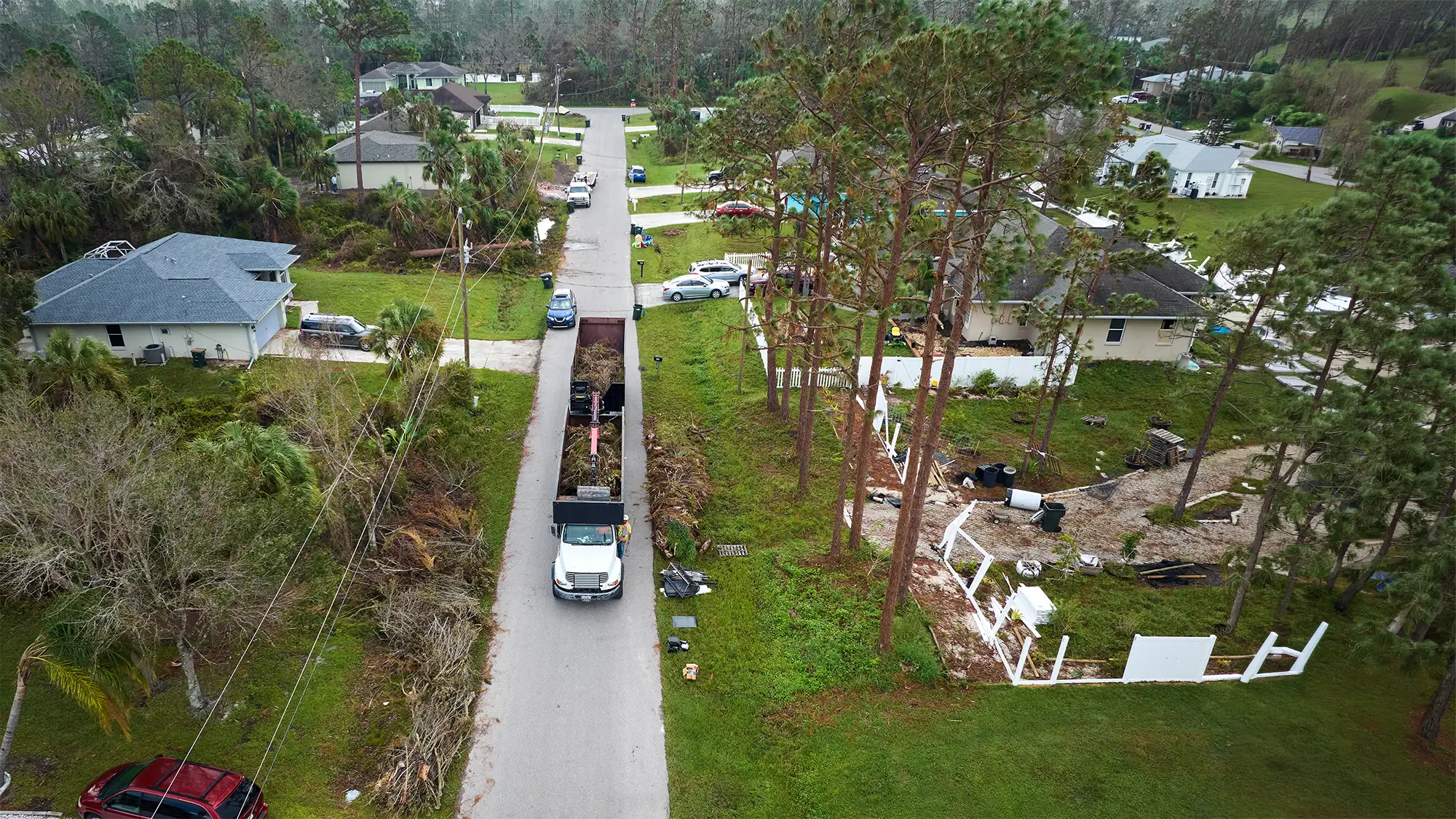
Canopy, through its subsidiary ClearPath Solutions Group, helps government agencies, public works and infrastructure organizations, and public safety leaders prepare for and manage disasters at every stage. From risk mitigation and preparedness to emergency response and long-term recovery, we provide the expertise, resources, and field capabilities to protect critical infrastructure, maintain essential services, and help communities recover stronger.
Disaster Management Service
Mitigating Risk
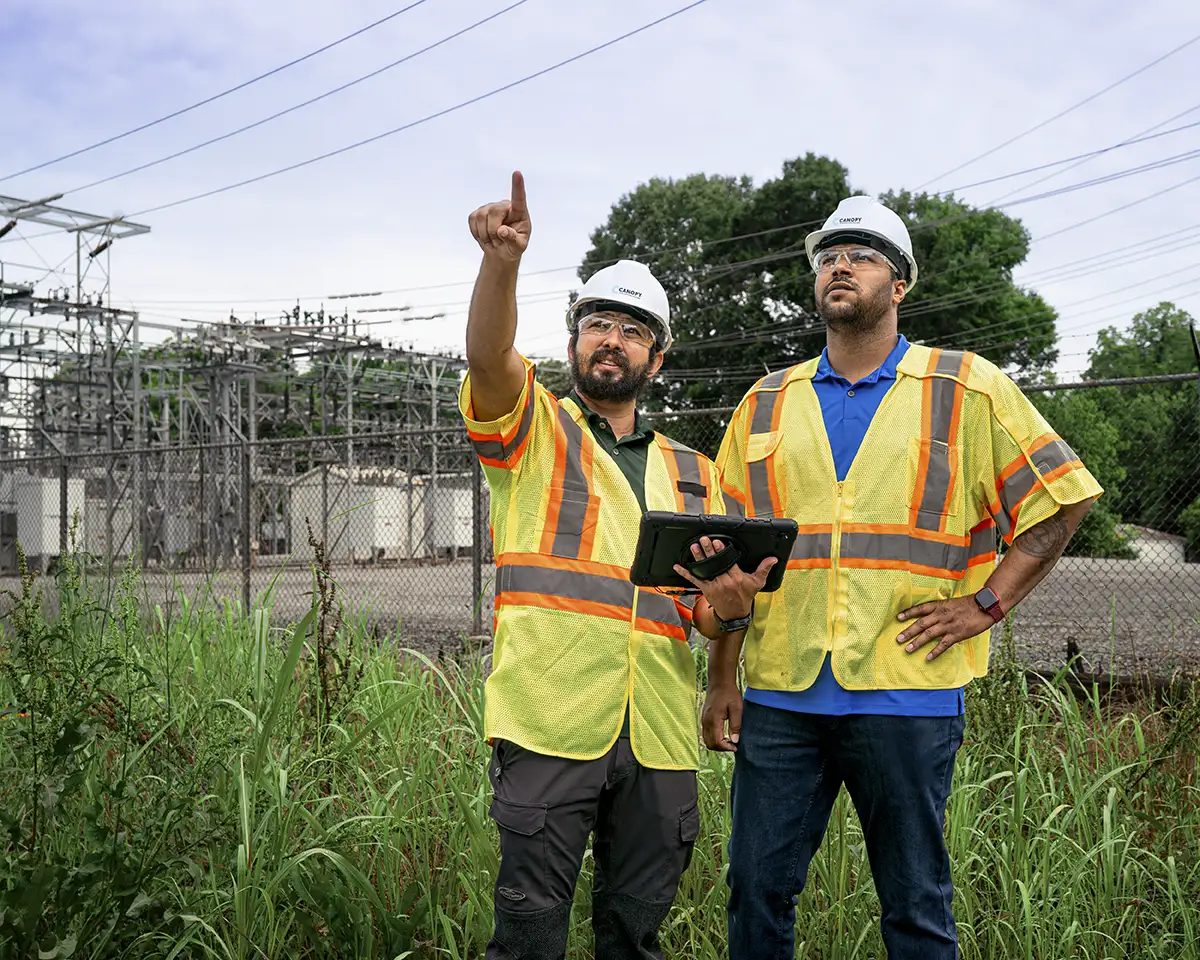
Mitigation involves identifying risks to infrastructure and assets when assessed against known and potentially perceived hazards or threats. By actively addressing vulnerabilities, mitigation strategies can prove to be the most valuable tool to ensuring continuity of operations when disaster strikes.

Disaster Management Service
Disaster Preparedness
Preparedness services happen before a disaster and focus on reducing risk and making sure organizations are ready to act. The objective is essentially: know what can happen, understand the consequences, and have people and resources ready before it happens.

Disaster Management Service
Disaster Response
Response services begin immediately before, during, and after an incident. Priority shifts toward protecting life, stabilizing the situation, and maintaining critical services. During this phase, speed and coordination are especially important. Organizations often need to make decisions with incomplete information while resources are constrained.
Disaster Management Service
Disaster Recovery
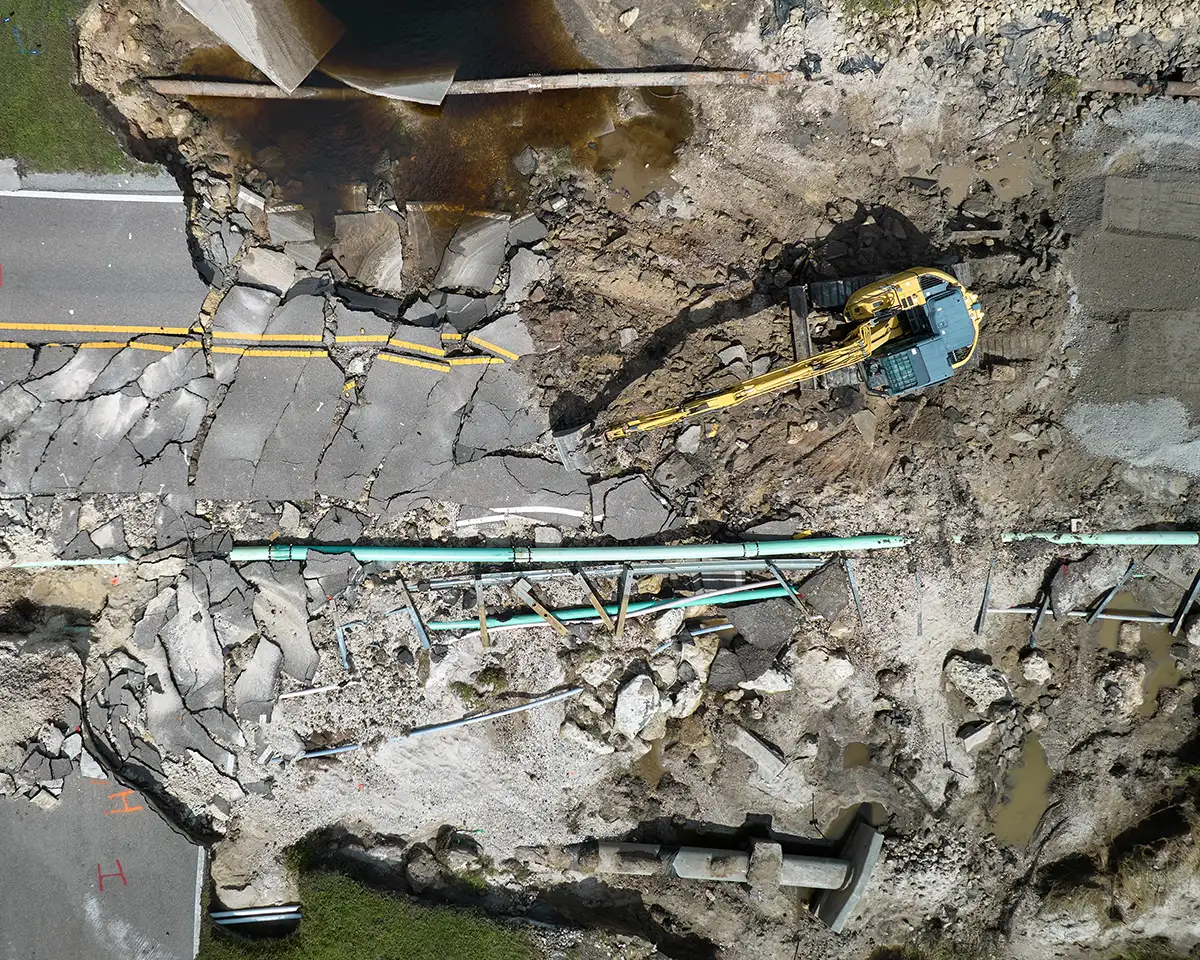
Recovery begins once the immediate threat has stabilized and can continue for weeks, months, or years. There are typically two overlapping stages: short-term recovery, which restores basic functionality, and long-term recovery, which rebuilds communities and infrastructure.