Insights
Blog
Stay up to date with most recent updates, announcements, and insights from our team.
Canopy Blog
Beyond the Forecast: Building a Year-Round Approach to Preparedness
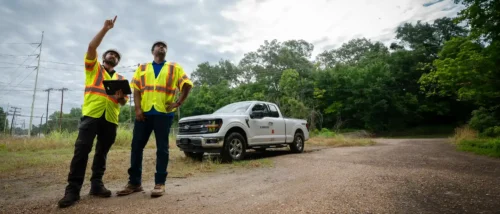
Every September, National Preparedness Month serves as a reminder of the importance of being ready for the unexpected. For utilities and infrastructure operators, however, preparedness cannot be confined to one month or begin only when severe weather enters the forecast. Readiness is built every day through strong planning, reliable information, clear communication, well-prepared teams, and […]

Canopy Blog
From Storms to Smarter Infrastructure Solutions
An early fascination with severe weather can lead to unexpected places. In the latest edition of UAA Newsline, Zak Hermans, Director of Business Development at XKIG, shares how that interest — along with experiences in theater, professional baseball, military contracting, and manufacturing — helped shape the skills and perspective he brings to the utility infrastructure […]

Canopy Blog
From Program Gaps to Practical Plans : Using Data to Strengthen Utility Operations
Utilities face mounting pressure to do more with less. Aging infrastructure, evolving regulations, severe weather, workforce shortages, and rising customer expectations have made long-term planning more complex than ever. Many organizations recognize that improvements are needed but struggle to determine where to begin. Which programs pose the greatest risk? Which investments will deliver the highest […]

Canopy Blog
QA vs. QC: Why Both Matter for Reliable Vegetation Management Programs
While the terms are often used interchangeably, Quality Assurance (QA) and Quality Control (QC) serve distinct but complementary roles in vegetation management. QA is proactive, focusing on preventing issues before work begins through effective hiring, onboarding, training, established procedures, and clear performance standards. QC is reactive, verifying that completed work meets those standards by identifying defects, measuring […]

Canopy Blog
Turning Data into Action: How Operational Visibility Strengthens Vegetation Management
Utility vegetation management programs generate vast amounts of information daily, including inspections, prescriptions, work completions, audits, outage history, and storm impacts. The challenge is not just collecting data but turning it into decisions that improve reliability, reduce risk, and strengthen program performance. One of the most significant advances in condition-based vegetation management is the use […]

Canopy Blog
Storm Damage Assessments: Why Speed and Visibility Matter After Severe Weather
When severe weather affects utility infrastructure, the first challenge is often visibility. Utilities must quickly understand what happened, where damage occurred, and which resources are needed to restore service safely and efficiently. The sooner utilities gain operational clarity, the sooner restoration can begin. Canopy Infrastructure Solutions provides storm damage assessment, real-time reporting, and technology-enabled field support to […]
Canopy Blog
Passing the Climb Forward
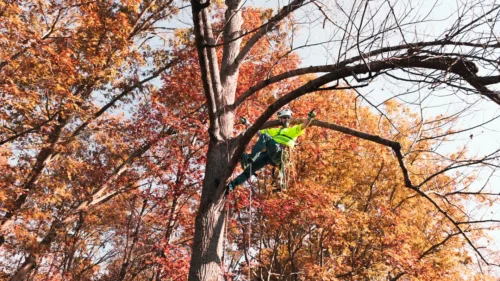
Utility arboriculture has always been more than just a technical skill. It is a profession built on service, stewardship, and responsibility toward both communities and coworkers. In a recent Utility Arborist Newsline op-ed titled “Rooted in Service: The Next Generation of Stewards,” James Wendt, National Training Coordinator, discusses what defines the core of the work: ensuring reliable […]

Canopy Blog
A Storm Is Brewing: Readiness & Response
Somewhere off the coast of western Africa, a low-pressure area moves into the tropics. It births where hot Sahara Desert air meets the southern Gulf of Guinea. Known as the “African Easterly Jet,” the wind continues west past Cape Verde, meeting humid ocean air. This produces showers and thunderstorms and often develops into organized low-pressure […]